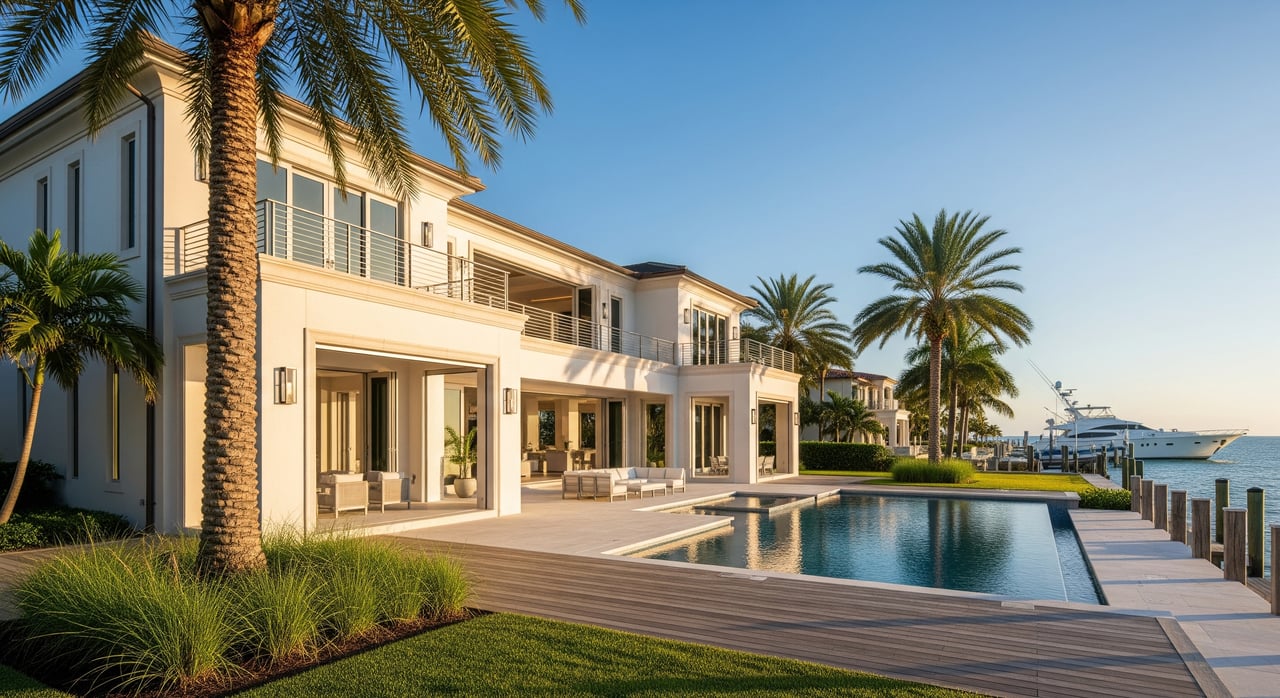
Thinking about selling your Boynton Beach home this winter? You are not alone. Seasonal buyers flock to South Florida when temperatures drop up north, and that surge often strengthens demand in Boynton Beach. In this guide, you will learn how winter demand can affect your sale price, how to estimate a realistic range for your home, and what to expect for costs and timing. Let’s dive in.
Why winter can be strong in Boynton Beach
Winter brings seasonal residents, second‑home shoppers, and investors to Palm Beach County. That extra demand can shorten days on market and support stronger list prices for well‑presented homes. Homes with waterfront access or updated finishes often benefit the most. Condos in desirable communities can also see increased interest, while properties needing major work may see less of a bump.
Buyer budgets still depend on mortgage rates and insurance costs. Inventory levels, new listings, and days on market also shape how competitive your pricing should be. The bottom line: winter is often a favorable time to sell in Boynton Beach, but your strategy still needs to match current market conditions.
How to estimate your likely sale price
Start with a local CMA
A Comparative Market Analysis is the most accurate way to estimate value. You compare 3–6 recent closed sales in your neighborhood that match your home’s size, bed/bath count, lot, view, and condition. Then you adjust for key differences like updates, pool, roof age, and waterfront. A strong CMA also reviews active and pending listings so you understand your current competition.
Use price per square foot wisely
Price per square foot is a fast screening tool. Pull recent closed price‑per‑sq‑ft for your property type and community, multiply by your living area, then adjust up or down for condition, view, and lot size. This gives you a ballpark, not a final number.
Check automated values as a sanity check
Online valuation tools can provide a quick range. Treat them as a cross‑check only. Automated models often miss upgrades, lot premiums, water views, and community differences that matter in Boynton Beach.
Understand appraisal limits
If your buyer uses financing, the lender will often require an appraisal. If the appraised value comes in below the contract price, you may need to renegotiate or the buyer may need to bridge the gap with cash. Pricing within a supportable range reduces that risk.
Boynton Beach factors that change value
Neighborhood and location
Waterfront and direct intracoastal access command strong premiums. Proximity to beaches, marinas, downtown Boynton Beach, and I‑95 can also help. HOA rules and dues shape your buyer pool, including age‑restricted communities. Keep your marketing neutral and factual for all neighborhoods to stay compliant with Fair Housing guidelines.
Condition and resilience
Roof age, HVAC, electrical, and plumbing are critical in Florida. Buyers also value hurricane‑resistant features like impact windows and doors. Flood risk matters to affordability; confirm your flood zone with the FEMA Flood Map Service Center and be ready to share elevation certificates if you have them.
Insurance, condos, and financing
Homeowners, wind, and flood insurance premiums affect buyer budgets. Stay current on trends through the Florida Office of Insurance Regulation. For condos, association financial health and underwriting can affect buyer financing options. Having clear, accurate association documents available can help keep deals moving.
Quick worksheet: build your range
Use this simple framework to arrive at a realistic list‑price and likely sale range:
- Price‑per‑sq‑ft baseline:
- Recent closed price‑per‑sq‑ft for similar homes in your community × your living area = baseline.
- Adjustments:
- Add for waterfront or water view, pool, new roof, impact windows/doors, and recent kitchen/bath updates.
- Subtract for needed repairs, smaller lot, older systems, or an obsolete floor plan.
- Three‑tier pricing strategy:
- Aggressive: High list price to test top‑end interest with strong marketing and patience.
- Market: Competitive price aligned with the best recent comps for solid activity in the first 2 weeks.
- Conservative: Slightly below market to drive multiple offers and a faster closing.
Tip: Pair this worksheet with a fresh CMA that uses closed sales from the last 60–120 days and 3–6 active and pending listings nearby.
Timing and marketing in winter
- List in late fall or early winter to capture the seasonal buyer surge.
- Use professional photography, floor plans, and, if applicable, twilight shots to showcase views and outdoor living.
- Consider a pre‑listing inspection to reduce renegotiation risk.
- Spotlight value drivers in your marketing, such as impact windows, newer roof and HVAC, and any flood‑mitigation measures.
What you could net at closing
Here are the typical seller costs in Florida to plan for. Your numbers will vary by property and contract terms.
- Real estate commission: commonly 5%–6% of sale price.
- Title and closing costs: typically about 1%–2%.
- Documentary stamp tax on the deed: custom varies; confirm who pays in Palm Beach County for your deal.
- Prorated property taxes and utilities through the closing date.
- HOA/condo estoppel and transfer fees: can range from a few hundred dollars to over $1,000.
- Seller concessions, if any: often 0%–2% depending on negotiations.
- Pre‑list prep, minor repairs, and staging: from a few hundred to several thousand.
Net proceeds formula:
- Net proceeds ≈ Sale price − (commission + closing/title costs + prorated taxes + seller concessions + mortgage payoff + pre‑list costs)
Simple example only:
- If you sell for $550,000 and assume 6% total commission, 1.5% title/closing costs, and no concessions, your estimated selling costs would be about $41,250 before taxes, HOA fees, and any mortgage payoff. Your true net depends on your actual contract terms and payoffs.
Typical Florida timeline
- Days on market: Can be days to weeks in an active Boynton Beach winter if priced well.
- Inspection period: Often 7–15 days.
- Appraisal and financing: Typically 21–45 days contract to close with financing. Cash can close faster.
- Title and closing: Once contingencies are cleared, many closings wrap within 7–21 days depending on the lender and title company.
Data checklist for your address
Gather these items before you set price and launch your listing:
- 3–6 closed comps in the last 60–120 days in your community.
- 3–6 active and pending listings to assess competition and list strategy.
- Median days on market and months of supply for your property type.
- Flood zone and elevation certificate, if available, from the FEMA Flood Map Service Center.
- Assessed value and exemptions from the Palm Beach County Property Appraiser.
- Closing cost and doc stamp guidance from the Palm Beach County Clerk & Comptroller.
- Insurance context from the Florida Office of Insurance Regulation.
Note: Market statistics change quickly. Confirm local figures through your MLS or Florida Realtors data before finalizing your list price.
Get a free, local CMA
You deserve a clear number, not guesswork. If you want a custom, data‑driven price range for your Boynton Beach home, request a complimentary CMA and a tailored winter listing plan. You will get a neighborhood‑specific analysis, professional marketing recommendations, and a clear net‑proceeds estimate. Connect with Michelle Nelson to Schedule Your Free Consultation.
FAQs
What will my Boynton Beach home sell for this winter?
- Start with a local CMA, then refine with price‑per‑sq‑ft and adjustments for condition, view, and flood risk; an appraisal can cap financed offers.
Is winter a good time to sell in Boynton Beach?
- Yes; seasonal buyers increase demand in South Florida, which can shorten days on market and support stronger pricing for well‑presented homes.
How long does a winter sale usually take?
- Well‑priced homes can go under contract in days to weeks, with most financed closings taking 30–45 days after contract; cash can be faster.
How much are seller closing costs in Palm Beach County?
- Plan for commission of about 5%–6%, title and closing costs around 1%–2%, prorated taxes and utilities, HOA/condo fees, and any negotiated concessions.
Do I have to disclose flood or hurricane damage?
- Yes; Florida sellers must disclose known material defects and prior damage; be transparent about flood history, elevation, and insurance costs.
Will my condo sell for the same as a house in Boynton Beach?
- No; condos and single‑family homes trade in separate submarkets with different financing and insurance factors, so values and timelines often differ.