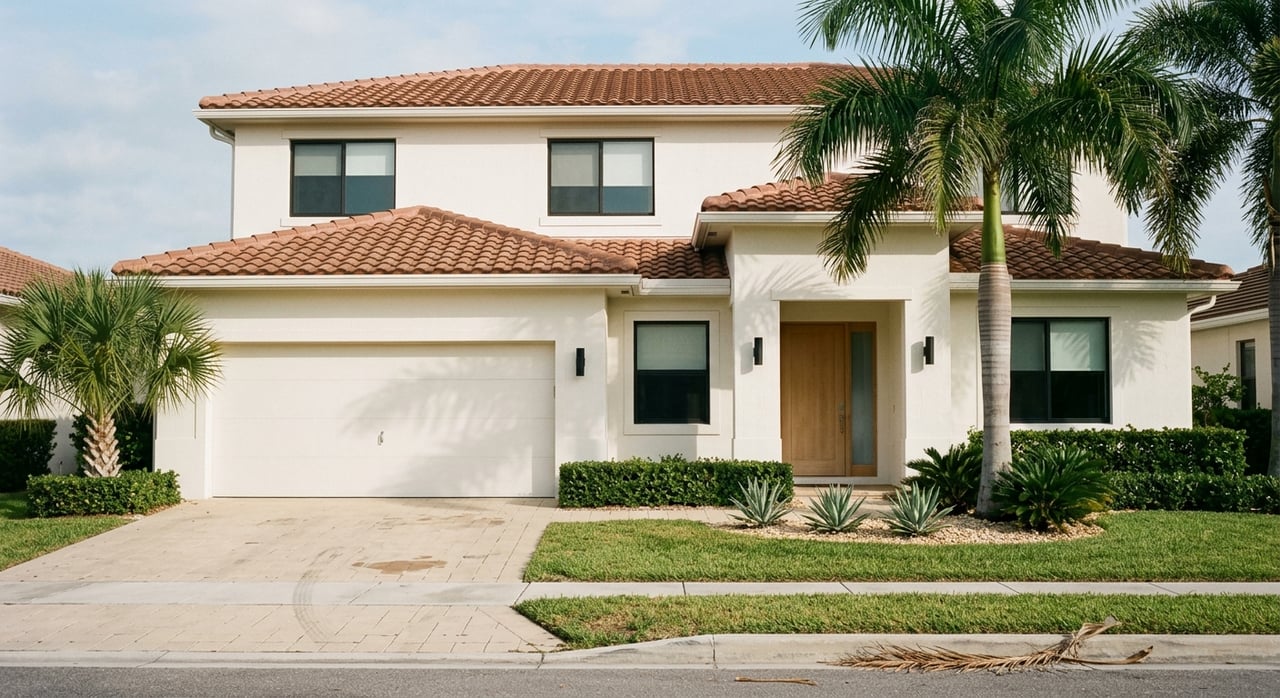
Thinking about buying in West Palm Beach and torn between a brand‑new build and a resale home? You are not alone. Each path has clear tradeoffs in timing, cost, customization, and long‑term value. In this guide, you will learn how new construction and resale homes compare locally, what to budget for beyond price, how insurance and taxes work here, and the practical steps to protect your purchase. Let’s dive in.
Market snapshot: West Palm Beach
Housing across the West Palm Beach–Boca Raton–Delray Beach area is diverse, from amenity‑rich master‑planned neighborhoods to luxury infill projects and established communities. For regional demand and supply, the most authoritative overview is HUD’s Comprehensive Housing Market Analysis for the West Palm Beach–Boca Raton–Delray Beach HMA. You can review the latest context in the HUD CHMA report.
Local building activity is ongoing, and permit cycles shift with the market. Palm Beach County tracks permit counts and valuations quarterly, which gives you a sense of how many new homes may be coming. See the county’s permit activity report for current trends.
What new builds look like here
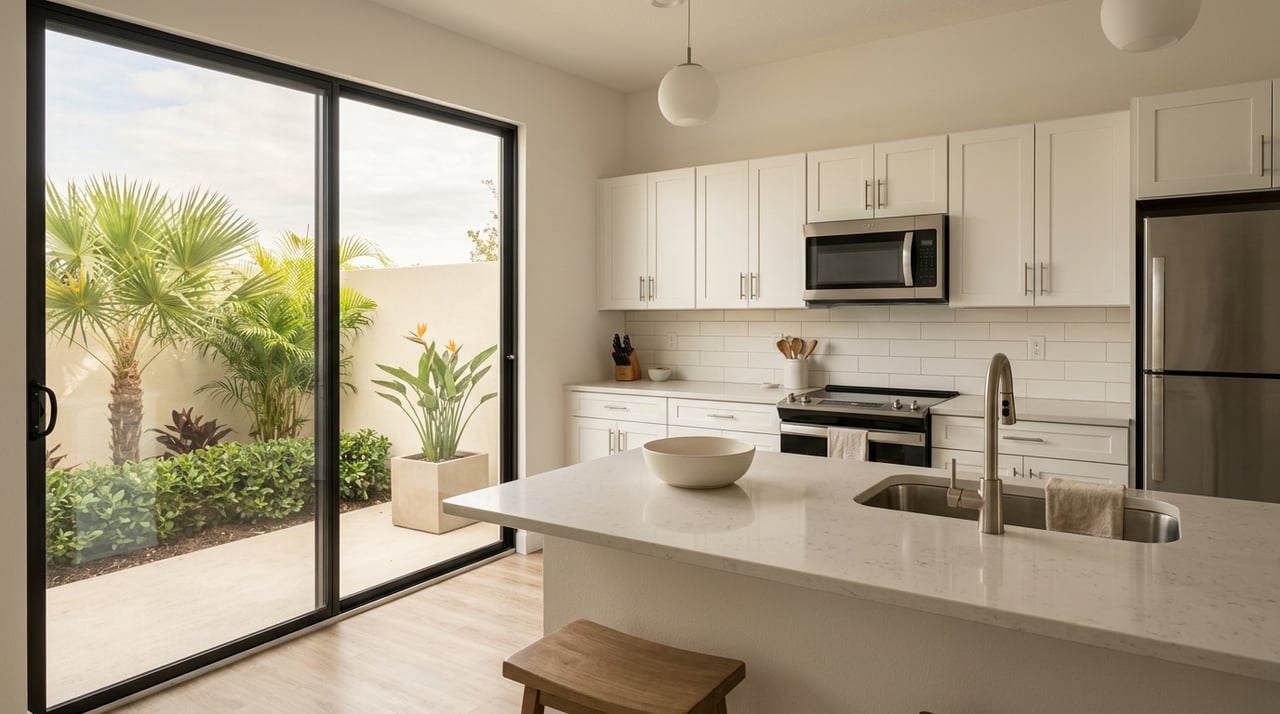
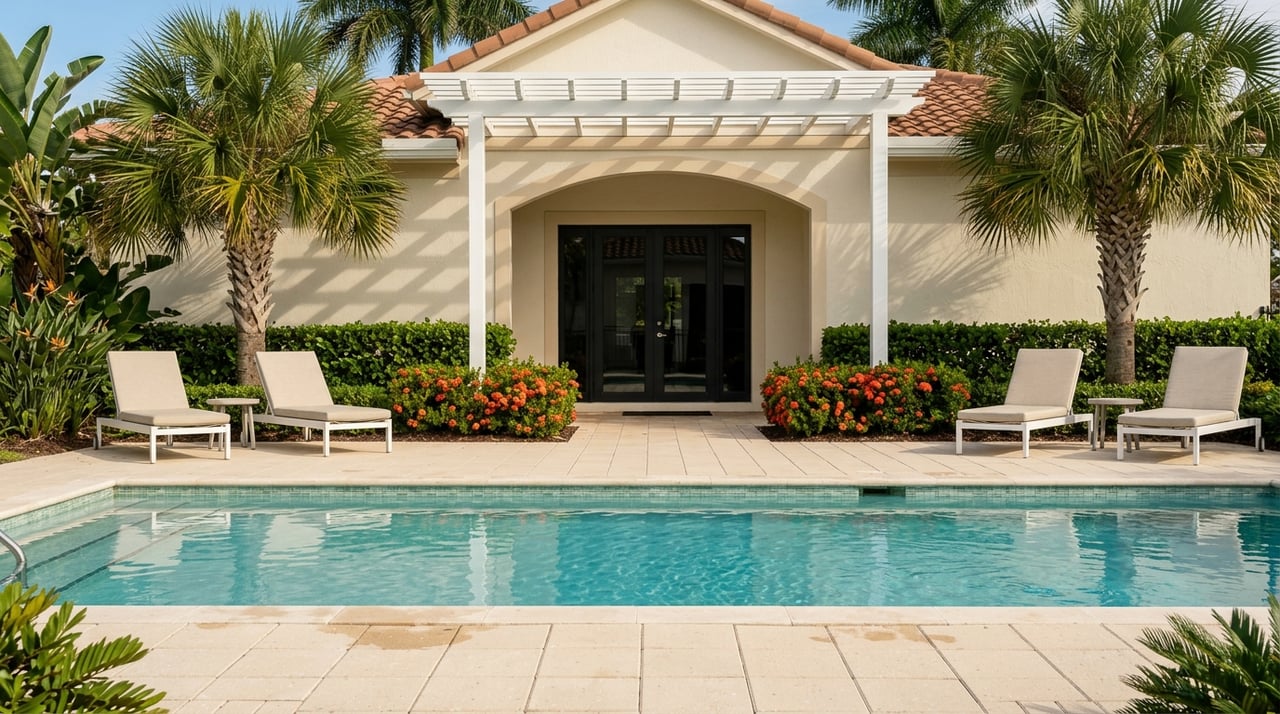
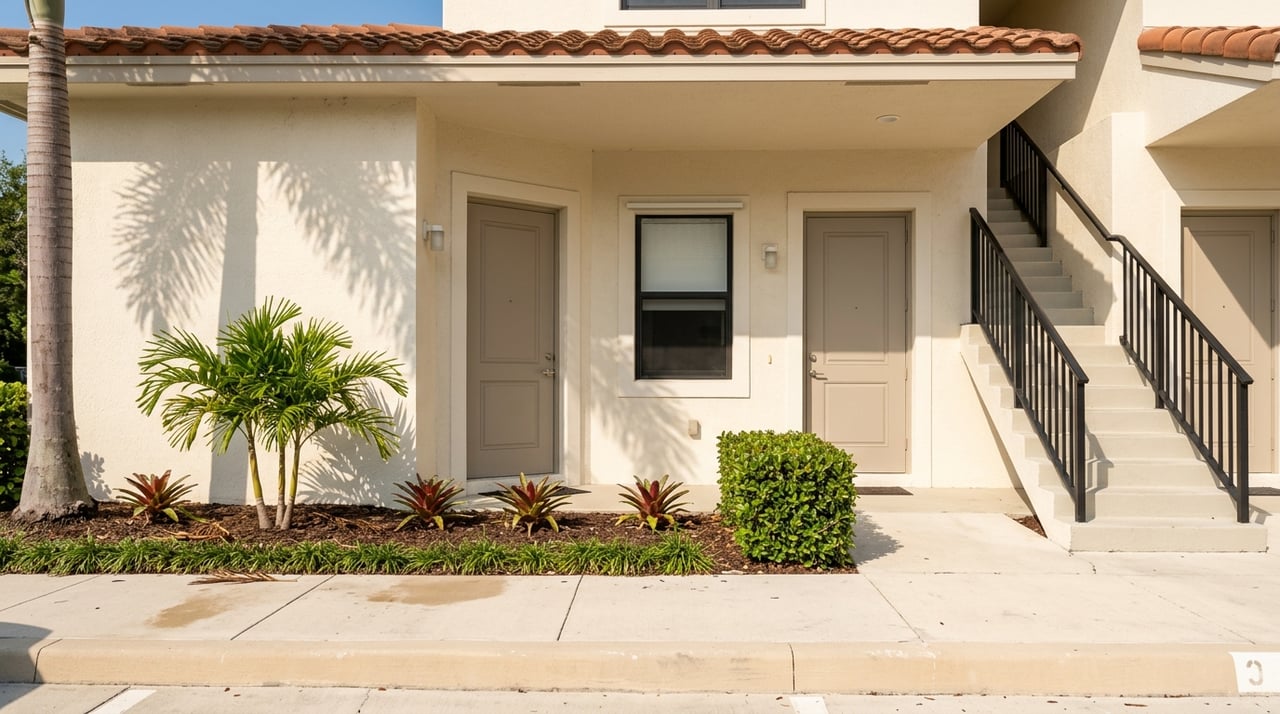
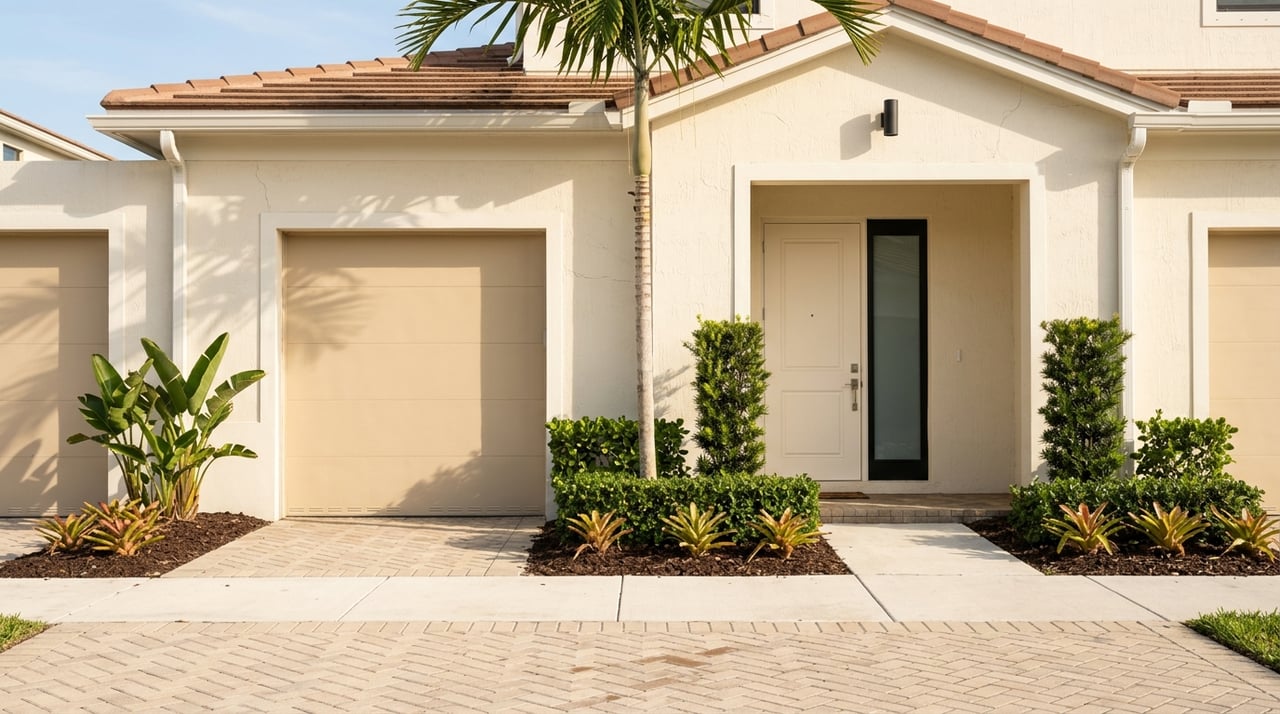
New homes in Palm Beach County range from townhomes and single‑family homes in master‑planned communities to higher‑end infill condos. A mix of national and regional builders operate here, and communities will often offer design‑center selections and amenity packages. To get a feel for current products and starting price bands, browse active new‑home communities in Palm Beach County.
Timeline: how soon you can move
- Resale homes: With standard financing, many West Palm Beach resales close in about 30 to 45 days when title, appraisal, and inspections are routine. Cash purchases can be faster, while complex repairs or title issues can extend timelines.
- New construction spec homes: If a move‑in ready home is complete, your closing timeline often resembles a resale purchase, roughly 30 to 60 days once you go under contract.
- To‑be‑built homes: Building from scratch typically runs about 6 to 18 months depending on home type, permitting, lot prep, weather, and your design choices. If you finance construction, expect additional steps and lender milestones. For an overview of how construction‑to‑permanent loans work, review Bankrate’s primer.
Permitting is handled by the City of West Palm Beach or Palm Beach County. Multi‑department plan reviews and resubmissions can add weeks for complex builds, so it pays to get a realistic construction calendar up front. Mid‑build municipal inspections, a final inspection, and a Certificate of Occupancy mark key milestones.
Costs: price, upgrades and incentives
- New builds: The contract starts with a base price, then you add selections at the design center. Lot premiums, elevation choices, kitchen and bath packages, and flooring can add meaningfully to the bottom line. It is common for upgrades to total 5 to 20 percent or more depending on scope and luxury level. Community pages are the best source for what is standard versus an upgrade and current starting prices. You can scan examples through local new‑home listings.
- Resales: Pricing reflects age, condition, and recent renovations. When comparing price per square foot, be careful to compare similar home types and neighborhoods, since new homes may have larger average footprints or different lots.
Closing costs for buyers in Florida are typically in the low single‑digit percentages of the purchase price, often around 2 to 5 percent depending on loan type and local charges. Builders sometimes offer incentives like closing‑cost credits, rate buydowns, or design options in softer markets. Always confirm with your lender how an incentive is delivered and whether it affects the appraisal.
Financing: how loans differ
- Resale purchases usually use standard mortgage products and a single closing.
- New construction can involve a construction‑to‑permanent loan or a construction‑only loan. Construction loans fund in draws tied to build progress, often carry interest‑only payments during construction, and require more documentation. A single‑close construction‑to‑permanent option can simplify costs because you close once on both phases. Learn the basics in Bankrate’s construction loan guide.
Because not all lenders offer construction financing, compare fees, draw schedules, and appraisal requirements before you commit.
Taxes, insurance, HOA and CDD
- Property taxes and homestead: Palm Beach County assesses property taxes annually. If you make the home your primary residence, you can apply for the homestead exemption and the Save Our Homes cap, which limits assessment increases each year for homesteaded properties. For filing dates, portability, and how assessments work, visit the Palm Beach County Property Appraiser.
- HOA and amenities: Many newer communities are amenity rich, so review community documents for HOA fees and what they include. Golf and master associations can increase monthly carrying costs.
- CDD assessments: Some Florida master‑planned communities use Community Development Districts to fund infrastructure. CDD assessments appear on your tax bill as non‑ad valorem charges and can be significant. Ask for CDD disclosures and budget documents before you sign.
- Flood and homeowner insurance: West Palm Beach has coastal and surface‑water exposure. FEMA flood map updates effective in 2024 changed some zone designations in the city. If a home sits in a Special Flood Hazard Area, lenders typically require flood insurance. Check zones and preparedness resources through the City’s Flood Information page, then obtain quotes for both homeowners and flood coverage.
- Building code and wind credits: New homes must meet the current Florida Building Code, which includes wind‑mitigation standards. Compliance can reduce hurricane and wind premiums and may qualify for mitigation credits. See the code adoption reference at Cornell’s Florida Building Code rule page.
Inspections and warranties
Even with municipal inspections, you should hire independent inspectors on both new and resale homes. For new builds, schedule a pre‑drywall inspection and a final inspection to document issues for your builder punch list and warranty file. A practical walkthrough of the process is outlined in this new construction buyer guide.
Many builders use a layered “1‑2‑10” warranty model: typically one year on workmanship and materials, two years on distribution systems, and ten years on major structural defects. Coverage, exclusions, and claims vary, so request the booklet and read it closely. For a plain‑English overview, see 2‑10 Home Buyers Warranty.
For all Florida home sales, sellers must disclose known material facts. Since October 1, 2024, a statutory Flood Disclosure is required at or before contract signing. Review the statute text in Florida Statute 689.302. Many construction‑defect claims in Florida also follow a notice and opportunity to repair process under Chapter 558. If you have contract questions, speak with a Florida real estate attorney.
Appraisal and long‑term value
New homes often command a premium for modern layouts, energy systems, and brand‑new condition. Appraisers use comparable sales and, when needed, a cost approach for new construction. If you add many upgrades that are not common in the neighborhood, the appraised value can lag the contract price until similar sales close. With resales, value depends on location, community quality, and demand in that submarket. The HUD CHMA is a useful regional backdrop, while your agent will pull neighborhood comparables for a true apples‑to‑apples view.
Quick decision guide
Choose new construction if you want:
- A modern layout, energy‑efficient systems, and current code compliance.
- The ability to personalize finishes and features through a design center.
- Builder warranties that cover early‑life repairs and systems.
Choose a resale home if you want:
- A faster move‑in timeline and more neighborhood choices.
- Mature landscaping, established streets, and potentially lower HOA fees.
- The chance to buy at a lower price point or negotiate based on condition.
Buyer checklist
Use this checklist to compare specific homes and communities:
- Is it move‑in ready or to‑be‑built? Get the written completion date and delay terms. For build timelines and milestones, see this new construction step‑by‑step guide.
- What is included versus an upgrade? Ask for the inclusions sheet and design price list. Browse new‑home community examples to benchmark standard features.
- What warranty is provided? Confirm periods, coverage, and claims. Review the common structure at 2‑10 Home Buyers Warranty.
- Which permits or inspections are outstanding? Your agent can help you confirm municipal inspections and Certificate of Occupancy before closing.
- Is the property in a Special Flood Hazard Area? Request the completed Flood Disclosure required by Florida Statute 689.302 and verify zones via the City’s Flood Information page.
- Are there CDD or special assessments? Request CDD disclosures and current budgets if applicable.
- What are the HOA rules and fees? Review all governing documents before you commit.
- What will taxes look like for you? Confirm with the Palm Beach County Property Appraiser and plan for homestead filing.
- How will you finance the purchase? If building, compare construction‑to‑permanent loan options and lender fees.
When you want personalized, local guidance, work with a buyer’s agent who knows new construction and resale across Palm Beach County. A skilled agent will benchmark pricing, confirm timelines, coordinate inspections, and keep your contract protections on track.
Ready to explore both paths with a local specialist who keeps your goals first? Connect with Michelle Nelson for a friendly, data‑driven plan tailored to your timeline and budget.
FAQs
How long does a new build take in West Palm Beach?
- Many to‑be‑built single‑family homes run about 6 to 18 months depending on design, permitting, lot prep, and weather, while completed spec homes can close in 30 to 60 days.
Are Florida flood disclosures required for homebuyers?
- Yes. Since October 1, 2024, sellers must provide a Flood Disclosure at or before contract execution, as outlined in Florida Statute 689.302.
What warranties do builders typically provide in Palm Beach County?
- Many offer a layered 1‑2‑10 structure covering workmanship, systems, and major structural elements, but terms vary, so request and review the warranty booklet.
Can new construction reduce wind insurance costs in Florida?
- New homes must meet current Florida Building Code standards, which can qualify for wind‑mitigation credits and may reduce hurricane and wind premiums compared with older homes.
How do HOA and CDD fees affect my monthly budget?
- HOA fees cover community operations and amenities, while CDD assessments fund infrastructure and appear on your tax bill; together they can materially increase carrying costs.
Do I still need an independent inspection on a new home?
- Yes. Schedule pre‑drywall and final inspections to document defects for your punch list and warranty claims, even when municipal inspections occur.