Are you trying to decide between a gated or non-gated community in Boca Raton? With so many neighborhoods and HOA setups across Palm Beach County, it can be hard to know which lifestyle fits you best. In this guide, you’ll learn how these communities differ in rules, amenities, maintenance, costs, insurance, and day-to-day living. You’ll also get a simple checklist to use on your next tour. Let’s dive in.
What “gated” and “non-gated” mean in Boca Raton
Gated models you’ll see locally
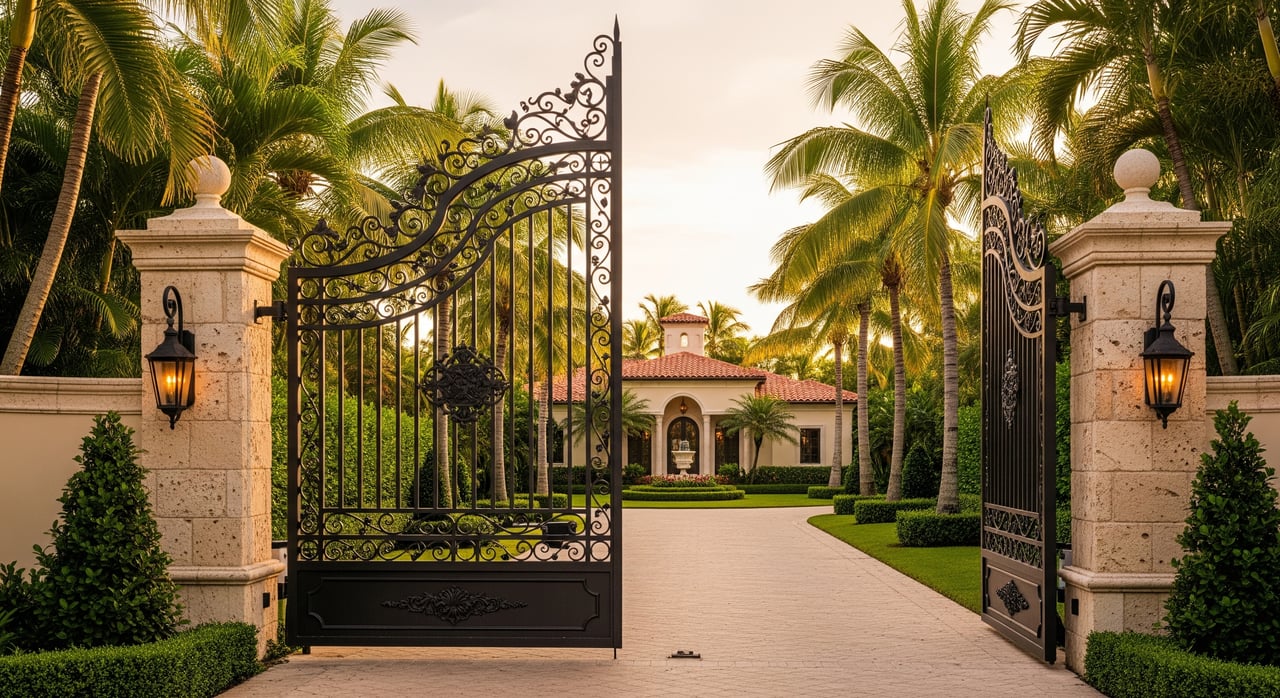
- Large master-planned or country-club enclaves with staffed gatehouses, private roads, and full amenity packages.
- 55+ gated communities and condominium complexes, often with on-site management and bundled services.
- Small gated enclaves and some beachfront or waterfront pockets with limited home counts behind a gate or wall.
- Gated condominium buildings, where the secure entry applies to the building rather than the entire neighborhood.
These setups usually include controlled access and common-area upkeep that shows up in your HOA or condo fees.
Non-gated options around town
- Open suburban subdivisions with either no HOA or a low-fee or voluntary HOA that manages limited common areas.
- Urban or near-downtown condos and townhomes with controlled building entry, but no gated perimeter around the neighborhood.
These neighborhoods often offer easier access for visitors and deliveries, with more variation in architecture and owner preferences.
How rules and governance work
Most Boca Raton communities fall under one of two Florida legal frameworks. Condominium associations follow the Condominium Act, Chapter 718 of the Florida Statutes. Single-family HOAs are governed by the Homeowners’ Association Act, Chapter 720. These laws outline disclosures, governance, and owner rights.
Key documents to review include the CC&Rs, bylaws, rules and regulations, budgets, reserve studies, audited financials, and recent board meeting minutes. These show what services are included, how architectural changes are handled, whether rentals are allowed, and how rules are enforced. Florida law requires certain disclosures to buyers during resale, and sellers commonly provide a resale certificate summarizing assessments, litigation, and financials.
In a gated community, boards often manage security contracts, gate maintenance, and visitor protocols. Gated communities also coordinate with first responders on emergency access. You can learn more about local public safety services through City of Boca Raton Fire Rescue Services and planning considerations via City of Boca Raton Planning & Zoning.
Privacy tools like cameras or license plate readers may be present in gated areas. If privacy matters to you, ask to see the HOA’s policies on data retention and camera use.
Lifestyle and maintenance tradeoffs
What gated communities typically include
- Controlled access, perimeter fencing or walls, private roads, and visitor management.
- Shared amenities like pools, clubhouses, fitness centers, tennis or pickleball courts, golf, and community events.
- Regular vendor contracts for landscaping of common areas, gate and road upkeep, security staffing, and sometimes exterior home maintenance in certain condo or paired-home setups.
- Architectural guidelines, with an ARC that reviews exterior changes to keep aesthetics consistent.
This appeals if you want a curated environment, social programming, and community-managed upkeep.
What non-gated neighborhoods typically include
- More variety in home styles and yard choices, with either limited HOA oversight or none at all.
- Lower or no association fees, since there are fewer shared services.
- Direct responsibility for your own yard, exterior maintenance, and vendor selection.
- Easier access for guests, deliveries, and rideshare services, since there is no gate protocol.
This works well if you want flexibility, fewer rules, and potentially lower recurring costs.
Cost, insurance, and resale factors
HOA or condo fees are usually higher in gated communities, especially where staffing, gates, and broad amenities are included. Fees vary widely, so review the budget, reserve study, and recent minutes to gauge whether fee increases or special assessments are likely. Non-gated neighborhoods often have lower fees and fewer shared services.
Flood and wind risk are major considerations across Palm Beach County. Flood risk depends on a property’s FEMA flood zone and elevation, not whether a community is gated. Use the FEMA Flood Map Service Center to check flood zones. Condo communities often carry a master policy for the building, but you may still need an HO-6 policy. Single-family owners typically carry an HO-3 or HO-5 policy, and flood coverage may be required by lenders in certain zones. For statewide insurance context, visit the Florida Office of Insurance Regulation.
Resale dynamics depend on community specifics and market timing. Gated communities can command a premium for privacy and amenities, but the buyer pool may be more specific. Some buyers prefer non-gated areas for easier access and fewer rules. To understand pricing and demand, review comparable sales and days on market through local MLS reports. For parcel and tax details, the Palm Beach County Property Appraiser offers public records and assessment information.
Quick buyer checklist
Documents to request before you offer
- CC&Rs, bylaws, and community rules and regulations
- Current budget, most recent reserve study, and 2–3 years of financials
- Board meeting minutes from the last 12 months
- Resale certificate or estoppel showing fees, assessments, and litigation
- Management and security contracts, plus gate maintenance records
Questions to ask the HOA or listing agent
- What does the monthly or quarterly fee cover exactly, and what are the reserve levels?
- What are the rental rules, including minimum lease terms and any short-term rental restrictions?
- How strict is architectural control for items like fences, landscaping, shutters, or impact windows?
- How do guest access and deliveries work? Any limits for vendors or rideshare drivers?
- How is emergency access handled for first responders? Is there a Knox Box or similar system?
- Are there planned special assessments or capital projects, especially for gates, roads, roofs, or utilities?
- For condos: what does the master insurance policy cover, and what is the owner’s hurricane deductible exposure?
Site visit and local vetting tips
- Visit at different times to observe gate staffing, visitor lines, traffic, and noise.
- Drive nearby corridors like Glades Road, Yamato Road, I‑95, or Florida’s Turnpike to understand commute patterns.
- Compare non-gated streets nearby to gauge accessibility and neighborhood character.
- Review flood zone and elevation, and look for any signs of drainage or standing water after rain.
Boca-specific questions to consider
- How close is the community to beaches, downtown Boca Raton, Mizner Park, major shopping, or medical centers?
- For beachfront areas, understand any private access points and remember that public rights to the beach seaward of the mean high water line remain.
- If you are looking at a 55+ community, confirm how age restrictions are enforced and who is eligible as a resident.
Which option fits your goals
Choose a gated community if you value privacy, on-site amenities, and a managed lifestyle, and you are comfortable with higher recurring fees. Choose a non-gated neighborhood if you want easier access, fewer rules, and more personal control over maintenance, with the understanding that you take on more responsibilities. In both cases, the best choice comes from reviewing documents, understanding insurance and flood exposure, and seeing the neighborhood in person.
Ready to compare communities in Boca Raton
If you want a clear, side-by-side look at gated and non-gated options that match your budget and lifestyle, let’s talk. Michelle Nelson offers local guidance, curated searches, and streamlined tours so you can move forward with confidence. Schedule Your Free Consultation.
FAQs
Will buying in a gated community reduce my homeowner’s insurance in Boca Raton?
- Premiums are driven by location, construction, and wind or flood risk, not gating. Check your FEMA flood zone using the FEMA Flood Map Service Center and compare quotes with a local insurance professional.
How much higher are HOA fees in gated communities in Boca Raton?
- Fees vary by amenity level and staffing. Gated areas often cost more due to security, gate maintenance, and expanded services. Review the budget, reserve study, and minutes to spot potential increases.
Do gated communities limit guest access and deliveries in Boca Raton?
- Yes, most use visitor management with call boxes, passes, or gatehouse screening. Ask how vendors, rideshare drivers, and frequent deliveries are handled and whether there are access hours.
How do resale values compare between gated and non-gated neighborhoods in Boca Raton?
- It depends on the specific community and market conditions. Gated amenities can attract certain buyers, while others prefer non-gated areas. Compare recent MLS comps and days on market for a clear picture.
Are emergency responders delayed by gates in Boca Raton communities?
- Communities coordinate emergency access with local fire and police, and many use override hardware or Knox Boxes. Ask the HOA about their emergency procedures, and see the city’s Fire Rescue Services for local context.
Can I rent out my property or do short-term rentals in Boca Raton communities?
- Rental rules vary by community and are outlined in the governing documents. Florida’s Chapter 718 and Chapter 720 establish the framework for condo and HOA rules, so review the documents and resale disclosures before you buy.
In a condo or HOA, what exterior items am I responsible for?
- Responsibilities differ by community. Condos often insure the structure with a master policy while owners carry HO‑6 coverage, and single-family HOAs usually place exterior and yard upkeep on the owner unless otherwise stated. Always verify the CC&Rs and master policy.
Are there specific flood or hurricane preparedness rules I should expect?
- Many associations set storm rules, such as approved shutters or required impact windows. Check your FEMA flood zone, confirm insurance requirements, and review HOA rules for hurricane season procedures.